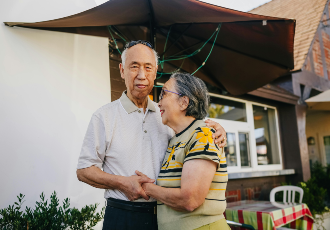
The Emotional Side of Downsizing Nobody Talks About
Most articles about downsizing focus on the practical stuff — square footage, storage, moving logistics.
But if you've ever actually gone through it, or watched a parent go through it, you know the truth:
Downsizing isn't really about the house. It's about everything the house represents.
It's Not Just a Smaller Home — It's a Different Chapter
I've sat at kitchen tables with people who raised their kids in that house. Who remember exactly where the Christmas tree went every year. Who can point to the doorframe where they marked their children's height every birthday.
Deciding to leave that home isn't just a real estate decision. It's an emotional one. And I think it does everyone a disservice to pretend otherwise.
So if you're feeling conflicted — excited about what's next, but sad about what you're leaving — that's not a sign you're doing it wrong. That's just what this looks like for most people.
The Guilt Nobody Warns You About
One thing I hear often, especially from people downsizing later in life:
“I feel guilty for wanting less space. Like I'm giving up on something.”
You're not.
Wanting a home that's easier to manage, cheaper to maintain, and better suited to where you are now isn't giving up — it's adapting. It's making a smart choice for your future self. There's nothing to feel guilty about in choosing a life that fits you better today.
When Family Members Don't Agree
This is a big one. Sometimes adult children have their own attachment to the family home — even stronger, at times, than the parents do.
If this is you, or if you're navigating pushback from family, know that this is common. The house holds memories for more than just the person selling it. It can help to have those conversations early, and to be honest that this decision is about what's right for you now — not a rejection of the memories made there.
Give Yourself Permission to Grieve — and to Look Forward
You're allowed to feel both at once: relief about lighter responsibilities, and grief about a chapter ending. This isn't a contradiction. It's just what change often feels like.
What I've seen, time and time again, is that once people are actually settled into their new space — the one with less upkeep, easier stairs, or that walk to the coffee shop they always wanted — the emotional weight lifts. The memories don't disappear. They just come with you, in a different way.
Photo courtesy of RDNE Stock Project
